pm thursday
Level Up or Quit


Moxy.io and game developer Stainless Games have joined forces to introduce the popular arena shooter game "Shock Rods" to the esports platform. By leveraging blockchain technology, Moxy.io aims to make esports accessible to a wide range of players, eliminating barriers and enabling participation from all backgrounds. The integration of "Shock Rods" on Moxy.io allows fans of the game to engage in high-intensity matches and compete for real-world rewards. This collaboration represents a significant milestone for both Moxy.io and Stainless Games, as they continue to evolve and thrive in the expanding esports industry.

The Bahamas Supreme Court grants FTX founder Sam Bankman-Fried the right to contest additional charges not included in his original extradition, temporarily halting US prosecutors from pursuing those charges. The court ruling emphasizes the importance of Bankman-Fried's right to due process and ensures that he has the opportunity to present his case. This development reflects the court's commitment to procedural guarantees and highlights the significance of the ongoing judicial review in the Bahamas.
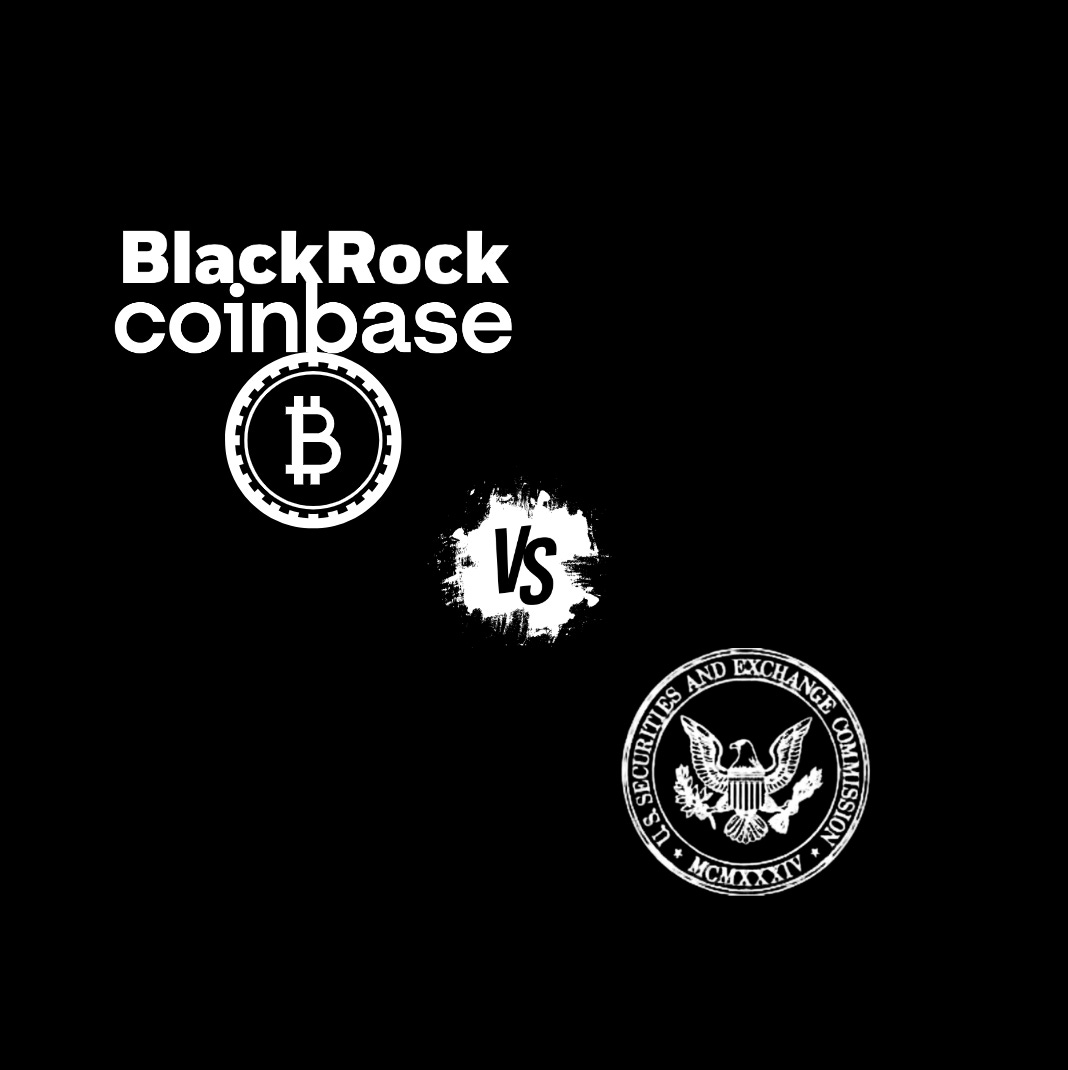
The SEC requests more time to respond to Coinbase's request for regulatory clarity in the cryptocurrency industry. Coinbase had filed a motion to compel the SEC to address its petition, seeking guidance for the digital asset industry. The SEC argues that it has not yet decided on a course of action regarding the petition but expects to make a recommendation within the next 120 days. Coinbase's Chief Legal Officer criticizes the SEC's response, accusing them of ignoring the intent to issue new rules and conflating decisions with statements made by the SEC chair. The court orders the SEC to respond to Coinbase's motion within seven days, adding further urgency to the situation.
A leaked draft of the proposed Digital Euro Bill reveals key provisions aimed at shaping the future of the Central Bank Digital Currency (CBDC). The draft bill includes features such as offline payment availability, a ban on interest and surcharges, and limitations on programmability. It recognizes the digital Euro as legal tender, ensuring acceptance by shops and businesses. The bill addresses privacy concerns by providing offline transaction privacy while also emphasizing regulatory monitoring to combat financial crimes. The decision on adopting a CBDC in the EU involves political considerations and requires legislation approval, with the European Parliament expressing reservations but the Council not expected to reject the initiative outright at this time.
Apple rejects the latest update to the Bitcoin wallet app Zeus, citing a violation of its license guidance. The app has not provided the necessary licenses, including money transmitter licenses, required for availability in the App Store. Non-custodial wallets like Zeus, which do not store users' assets or private keys, are typically not considered money transmitters and do not require licenses. However, Apple's policy differs in this regard. This comes after another app, Damus, faced potential removal from the App Store for allowing Bitcoin tips via the Lightning Network, which Apple deemed equivalent to buying and selling digital content. The future of the Zeus app remains uncertain.
BlackRock, the world's largest asset manager, is reportedly close to filing an application for a Bitcoin ETF (exchange-traded fund). The company is said to be using Coinbase Custody for the ETF and relying on the crypto exchange's spot market data for pricing. BlackRock has been working with Coinbase since last year to provide crypto access to institutional investors. • It is unclear whether the ETF will be based on spot or futures trading. The Securities and Exchange Commission (SEC) in the US has previously rejected spot Bitcoin ETF applications but has approved Bitcoin futures ETFs.
Bitcoin experiences a significant decline, dropping below $25,000 and raising concerns among investors. Regulatory pressure from the SEC has contributed to the market volatility, with over $100 billion in liquidations looming, indicating potential for another market crash with increased selling pressure. However, there is a possibility of institutional investors seeking short position liquidations, bringing some buying pressure. Despite the short-term fluctuations, holders remain confident in the cryptocurrency's long-term potential, measuring its liquidity and market resilience.
A US Treasury official, Graham Steele, raises concerns about the potential privacy risks associated with a central bank digital currency (CBDC). He emphasizes the importance of protecting user privacy while mitigating the risk of illicit financial activities. Steele suggests incorporating privacy-enhancing technologies (PETs) in the design of a potential retail CBDC to address these concerns. The US Treasury Department has formed an interagency working group to assess the implications of a CBDC and is evaluating policy objectives related to financial leadership, national security, privacy, illicit finance, and financial inclusion.